
Cardiovascular Health
Cardiovascular health is influenced by much more than cholesterol alone. Blood pressure, blood sugar regulation, body composition, physical activity, sleep, smoking, family history, hormonal changes, and other lifestyle and medical factors can all contribute to long-term cardiovascular risk.
Assessment considers the broader picture, including personal and family history, blood pressure, nutrition, activity, body composition, sleep, medications, metabolic health, and relevant laboratory markers. Blood work may be recommended when clinically appropriate to assess cholesterol, triglycerides, Apolipoprotein B (ApoB), Lipoprotein(a) [Lp(a)], blood sugar, kidney and liver health, and other relevant risk factors.
Care is individualized and may include nutrition, exercise, sleep and lifestyle strategies, targeted supplementation, and collaboration with other healthcare providers when appropriate.
The goal is to identify modifiable and inherited risk factors early, improve cardiovascular and metabolic health, and support long-term prevention rather than waiting until disease develops.
High Cholesterol & Dyslipidemia
High cholesterol is not a single diagnosis, and individual lipid markers need to be interpreted in context. Low-Density Lipoprotein Cholesterol (LDL-C), Apolipoprotein B (ApoB), triglycerides, High-Density Lipoprotein Cholesterol (HDL-C), non-HDL cholesterol, Lipoprotein(a) [Lp(a)], family history, blood pressure, blood sugar, and other factors all contribute to overall cardiovascular risk.
Assessment may include a detailed review of lipid results, metabolic health, nutrition, activity, medications, family history, smoking history, and other cardiovascular risk factors.
Care may include nutrition, exercise, body-composition strategies, sleep support, targeted supplementation, and collaboration with a physician or other regulated healthcare provider when additional medical management is appropriate.
The goal is to understand what your cholesterol results mean in the context of your overall risk and develop a practical plan to improve long-term cardiovascular health.


Apolipoprotein B (ApoB) & Cardiovascular Risk
Apolipoprotein B (ApoB) reflects the number of atherogenic lipoprotein particles circulating in the blood and can provide additional information about cardiovascular risk beyond a standard cholesterol panel in some patients.
ApoB is interpreted alongside factors such as Low-Density Lipoprotein Cholesterol (LDL-C), triglycerides, Lipoprotein(a) [Lp(a)], blood pressure, blood sugar, smoking, family history, age, and overall health.
Assessment focuses on understanding how cardiovascular markers fit together rather than relying on a single result in isolation.
Care may include nutrition, physical activity, metabolic-health strategies, sleep, weight or body-composition support when relevant, and collaboration with other healthcare providers when medical treatment is needed.
The goal is to use appropriate risk markers to support more individualized cardiovascular prevention.
Lipoprotein(a) [Lp(a)] & Inherited Cardiovascular Risk
Lipoprotein(a), or Lp(a), is a largely genetically determined lipoprotein that can contribute to cardiovascular risk in some individuals. Unlike many other cardiovascular risk factors, Lp(a) is influenced much more by genetics than by lifestyle.
Assessment considers Lp(a) alongside markers such as Low-Density Lipoprotein Cholesterol (LDL-C), Apolipoprotein B (ApoB), triglycerides, blood pressure, blood sugar regulation, smoking history, family history, and overall cardiovascular risk.
Because Lp(a) levels tend to remain relatively stable throughout life, testing may be particularly informative for people with a strong family history of premature cardiovascular disease or cardiovascular risk that is not fully explained by a standard cholesterol panel.
The goal is to identify inherited cardiovascular risk that may otherwise go unrecognized and use that information to guide a more individualized prevention strategy.


Cardiovascular Risk Assessment
Cardiovascular risk is shaped by a combination of factors rather than one isolated laboratory result. Age, family history, blood pressure, cholesterol, ApoB, Lp(a), blood sugar, smoking, physical activity, body composition, medications, sleep, and hormonal stage can all influence long-term risk.
Assessment may include conventional risk factors alongside additional laboratory markers when clinically appropriate.
The purpose is not simply to identify whether a result falls inside or outside a laboratory reference range, but to understand how multiple risk factors interact and which changes may have the greatest impact on long-term health.
Care focuses on modifiable factors that can be addressed through nutrition, movement, strength, sleep, metabolic health, smoking cessation, and appropriate medical collaboration.
The goal is to support informed and proactive cardiovascular prevention.
Blood Pressure & Cardiovascular Health
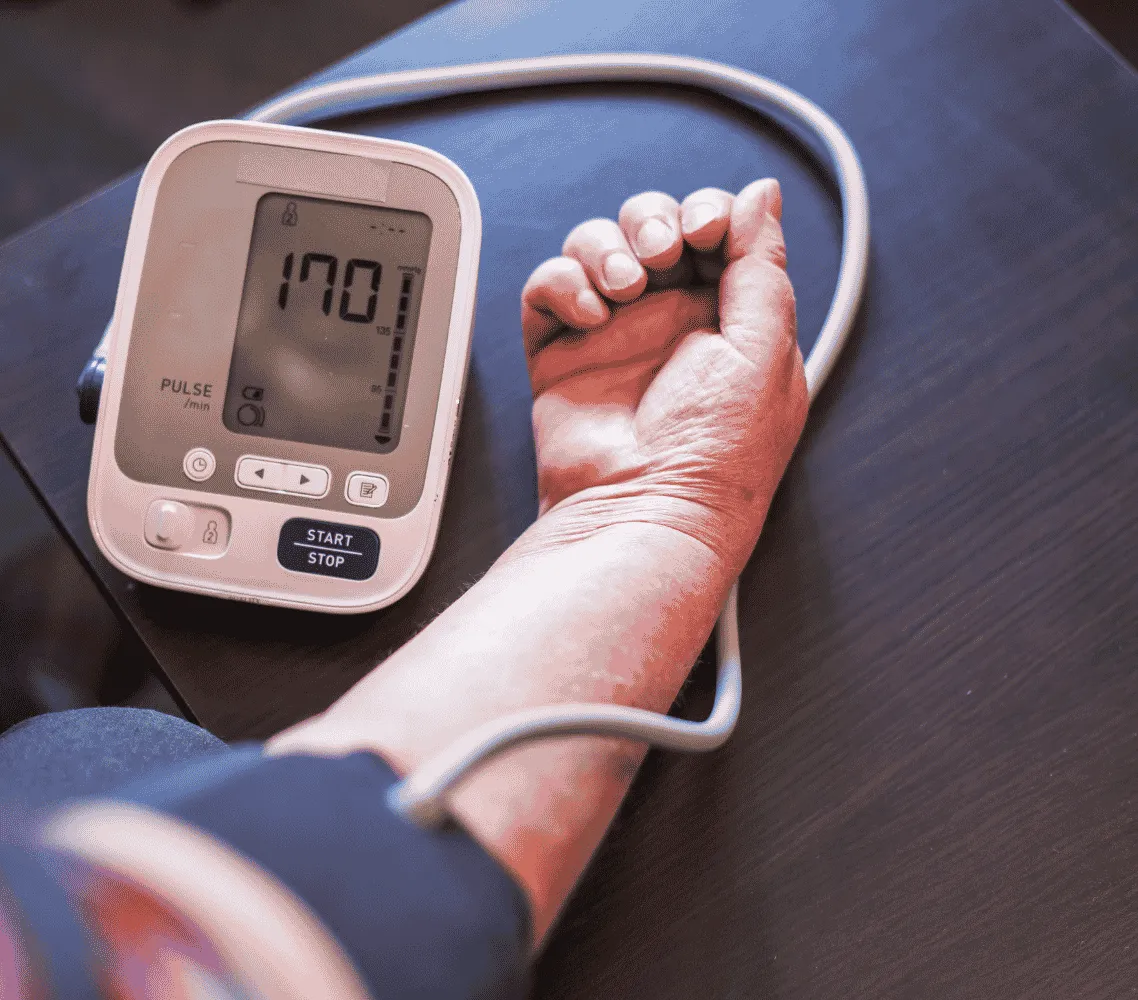
Blood pressure is an important cardiovascular risk factor and can be influenced by genetics, age, body composition, physical activity, sleep, stress, medications, alcohol intake, nutrition, and metabolic health.
Assessment considers blood-pressure readings over time rather than relying on a single measurement, along with other cardiovascular risk factors and relevant health history.
Care may include nutrition, physical activity, sleep, stress management, weight-management strategies when appropriate, and collaboration with a primary-care provider when medication or additional investigation is required.
The goal is to support healthy blood pressure as part of a broader cardiovascular prevention plan.

Triglycerides & Metabolic Heart Health
Triglycerides are influenced by factors such as nutrition, alcohol intake, blood sugar regulation, insulin resistance, body composition, genetics, and certain medications.
Elevated triglycerides can be an important clue about broader metabolic and cardiovascular health, particularly when they occur alongside changes in blood sugar, abdominal adiposity, or other lipid abnormalities.
Assessment may include triglycerides, cholesterol, blood sugar markers, blood pressure, nutrition, activity, alcohol intake, and other metabolic risk factors.
Care focuses on improving the underlying factors that influence triglycerides and cardiometabolic health through individualized nutrition, exercise, sleep, and other appropriate strategies.
Cardiometabolic Health
Cardiovascular and metabolic health are closely connected. Insulin resistance, blood sugar, blood pressure, triglycerides, cholesterol, body composition, and physical activity can all influence long-term cardiovascular risk.
Assessment looks for patterns across these areas rather than treating each marker separately.
Care may include nutrition, strength and aerobic exercise, sleep, weight-management strategies when appropriate, and other individualized interventions aimed at improving both metabolic and cardiovascular health.
The goal is to identify early risk patterns and address modifiable factors before they progress.


Women’s Cardiovascular Health
Cardiovascular health is an important consideration for women throughout adulthood, with risk factors and patterns changing through pregnancy, midlife, perimenopause, menopause, and healthy aging.
Hormonal changes, blood pressure, cholesterol, blood sugar regulation, pregnancy history, smoking, family history, body composition, sleep, and physical activity can all contribute to cardiovascular risk.
Assessment considers female-specific and traditional cardiovascular risk factors together, with laboratory testing used when clinically appropriate.
Care focuses on identifying modifiable risks and supporting nutrition, exercise, metabolic health, sleep, and other evidence-informed prevention strategies.
The goal is to make cardiovascular prevention a routine part of women’s health rather than addressing heart health only after symptoms or disease develop.
Menopause & Cardiovascular Health
The menopause transition can coincide with changes in cholesterol, body composition, blood pressure, insulin sensitivity, sleep, and physical activity, all of which may influence cardiovascular health over time.
Assessment may include family history, blood pressure, cholesterol, Apolipoprotein B (ApoB), Lipoprotein(a) [Lp(a)] when appropriate, blood sugar markers, body composition, nutrition, activity, smoking history, medications, and other relevant risk factors.
Care focuses on identifying modifiable risks early and incorporating cardiovascular prevention into menopause care.
The goal is to support both current health and long-term cardiovascular prevention through midlife and beyond.


Nutrition for Cholesterol & Heart Health
Nutrition can influence cholesterol, triglycerides, blood pressure, blood sugar regulation, body composition, and overall cardiovascular risk.
There is no single heart-healthy diet that is appropriate for everyone. Assessment considers current eating patterns, protein and fibre intake, saturated and unsaturated fats, carbohydrate quality, alcohol intake, cultural preferences, metabolic health, and individual cardiovascular risk factors.
Recommendations may focus on increasing fibre-rich foods, improving fat quality, supporting adequate protein intake, reducing excessive intake of highly processed foods, and developing a sustainable eating pattern that fits the individual.
The goal is to use nutrition as one part of a broader cardiovascular prevention strategy.
Exercise & Cardiovascular Health
Regular physical activity can support blood pressure, blood sugar regulation, cholesterol, cardiovascular fitness, body composition, and overall health.
Assessment considers current activity, fitness level, strength, previous injuries, health conditions, and individual goals.
Care may include recommendations for aerobic exercise, resistance training, walking and daily movement, and gradual progression based on the individual's starting point and health status.
The goal is to improve cardiovascular fitness while also preserving strength, mobility, metabolic health, and long-term physical capacity.


Cardiovascular Blood Work & Risk Markers
Blood work can provide useful information about cardiovascular risk when interpreted in the context of the individual rather than as isolated numbers.
Depending on the clinical situation, assessment may include markers such as total cholesterol, Low-Density Lipoprotein Cholesterol (LDL-C), High-Density Lipoprotein Cholesterol (HDL-C), triglycerides, non-HDL cholesterol, Apolipoprotein B (ApoB), Lipoprotein(a) [Lp(a)], blood sugar markers, kidney function, liver health, and other relevant tests.
Not every patient requires every test. Laboratory assessment is selected based on personal and family history, medications, existing risk factors, and whether the result is likely to meaningfully influence clinical decisions.
The goal is to use testing strategically to better understand cardiovascular risk and guide appropriate next steps.
NATUROPATHIC CARE
Frequently Asked Questions
What affects cardiovascular health besides cholesterol?
Cardiovascular health is influenced by much more than cholesterol alone. Blood pressure, blood sugar regulation, body composition, physical activity, sleep, smoking, family history and hormonal changes can all contribute to long-term cardiovascular risk, so they are best assessed together.
What blood tests are used to assess cardiovascular risk?
Depending on your situation, blood work may include total cholesterol, LDL-C, HDL-C, triglycerides, non-HDL cholesterol, ApoB, Lp(a), blood sugar markers, and kidney and liver health. Not every patient needs every test; testing is chosen based on your history and risk factors.
What is the difference between ApoB and Lp(a)?
ApoB reflects the number of atherogenic lipoprotein particles in the blood and can add information beyond a standard cholesterol panel. Lp(a) is a largely genetically determined lipoprotein, influenced much more by genetics than lifestyle, that may signal inherited cardiovascular risk.
Who should consider Lp(a) testing?
Lp(a) testing may be particularly informative if you have a strong family history of premature cardiovascular disease, or cardiovascular risk that isn’t fully explained by a standard cholesterol panel. Because levels stay relatively stable throughout life, results can guide long-term prevention.
How does menopause affect heart health?
The menopause transition can coincide with changes in cholesterol, body composition, blood pressure, insulin sensitivity and sleep, which may influence cardiovascular health over time. That’s why cardiovascular prevention is built into menopause care and women’s health throughout adulthood.
What does cardiovascular care include?
Care is individualized and may include nutrition, aerobic and strength exercise, sleep and stress strategies, and targeted supplementation. When medication or further investigation is needed, care is coordinated with your physician or other healthcare providers to support long-term cardiovascular prevention.
Evidence-informed virtual naturopathic care across Ontario
Follow Us


Clinical Focus
Services
Quick Links
Copyright 2026. Viinberg Health. All Rights Reserved.