
Women’s Hormone & Reproductive Health
Hormonal and reproductive health concerns can affect menstrual cycles, mood, energy, fertility, skin, weight, pain, and overall quality of life. Common concerns include Polyendocrine Metabolic Ovarian Syndrome (PMOS), formerly Polycystic Ovary Syndrome (PCOS), Endometriosis, Premenstrual Syndrome (PMS) and Premenstrual Dysphoric Disorder (PMDD), irregular, heavy or painful periods, and fertility and preconception health.
Care begins with a detailed review of your symptoms, menstrual and reproductive history, medical history, lifestyle, medications, and relevant risk factors. Blood work or other testing may be recommended when clinically appropriate to help clarify contributing factors and guide care.
Treatment is individualized and may include nutrition, lifestyle strategies, targeted supplementation, and collaboration with other healthcare providers when appropriate.
The goal is to better understand what may be contributing to your symptoms, improve day-to-day well-being, and support your reproductive and long-term health.
CLINICAL FOUNDATIONS
Polyendocrine Metabolic Ovarian Syndrome (PMOS / PCOS)
Polyendocrine Metabolic Ovarian Syndrome (PMOS), formerly known as Polycystic Ovary Syndrome (PCOS), can affect menstrual cycles, ovulation, fertility, skin, hair growth, weight, and metabolic health. Symptoms and underlying drivers can vary considerably from person to person.
Assessment may include a detailed menstrual and health history along with appropriate blood work to evaluate reproductive hormones, thyroid function, blood sugar regulation, insulin resistance, nutrient status, and cardiovascular risk factors when relevant.
Care is individualized and may include nutrition, exercise, sleep and lifestyle strategies, targeted supplementation, and collaboration with other healthcare providers when appropriate. Particular attention may be given to metabolic health, cycle regularity, fertility goals, and long-term cardiovascular risk.

CLINICAL FOUNDATIONS
Endometriosis
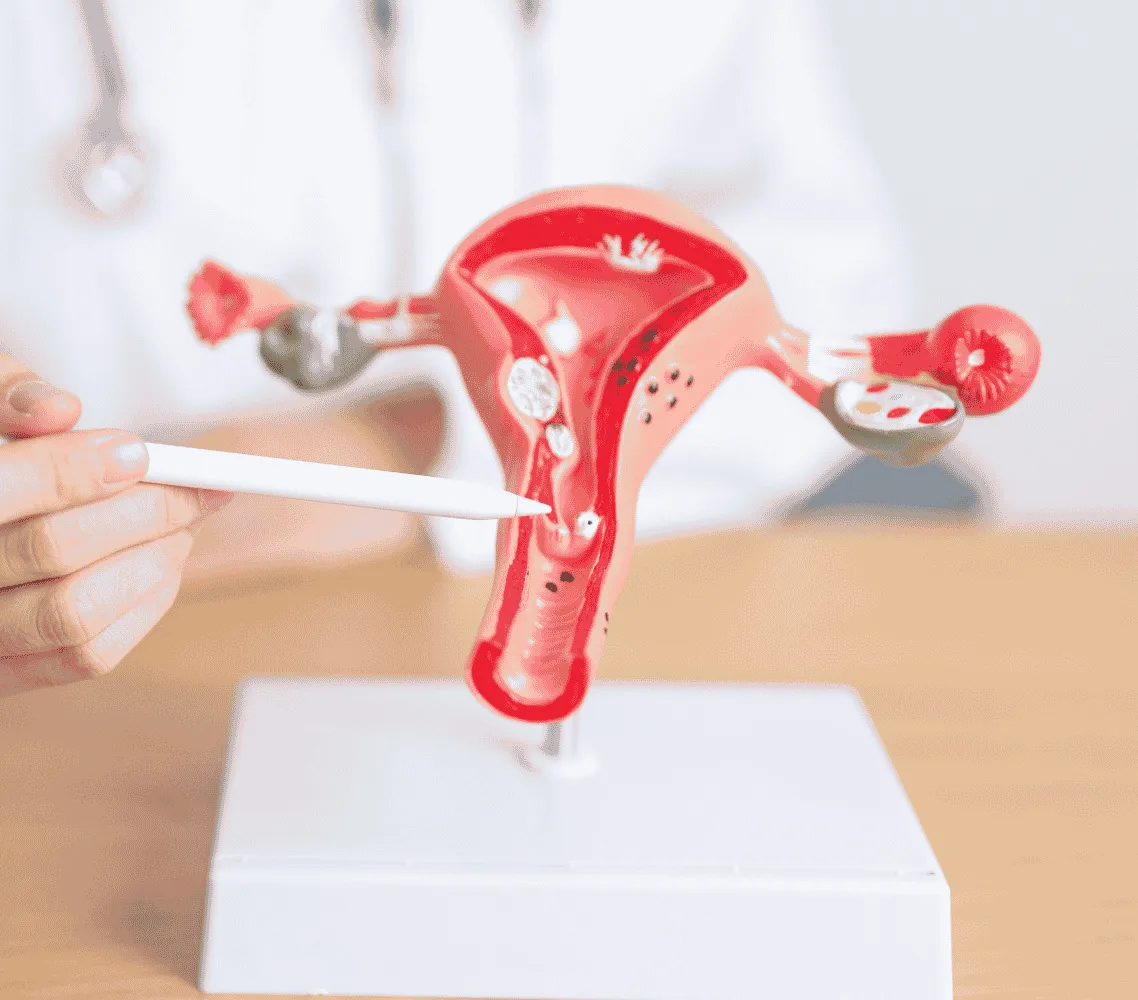
Endometriosis can contribute to significant pelvic pain, painful periods, pain with intercourse, digestive or bladder symptoms, fatigue, and fertility concerns. Symptoms can vary widely and do not always reflect the extent of the condition.
Naturopathic care is intended to complement appropriate medical and gynecological management. Assessment considers menstrual symptoms, pain patterns, digestive health, nutrition, sleep, stress, medications, fertility goals, and other factors that may influence quality of life.
Care may include individualized nutrition and lifestyle strategies, targeted supplementation, support for nutrient deficiencies, and collaboration with your physician, gynecologist, fertility specialist, or other members of your healthcare team when appropriate.
The goal is to help reduce symptom burden, support overall health, and provide practical strategies that complement your existing medical care.
CLINICAL FOUNDATIONS
Premenstrual Syndrome (PMS) & Premenstrual Dysphoric Disorder (PMDD)
Premenstrual Syndrome (PMS) and Premenstrual Dysphoric Disorder (PMDD) can cause significant physical and emotional symptoms in the days or weeks before menstruation. These may include mood changes, irritability, anxiety, low mood, headaches, breast tenderness, bloating, food cravings, fatigue, and sleep disruption.
Assessment begins with understanding the timing and severity of symptoms throughout the menstrual cycle, as well as reviewing nutrition, sleep, stress, medications, and other health factors. Blood work may be recommended when appropriate to investigate other conditions that could be contributing to symptoms.
Care may include nutrition and lifestyle strategies, exercise, sleep support, targeted supplementation, and collaboration with other healthcare providers when additional treatment is required.
The goal is to reduce the impact of cyclical symptoms and help you feel more consistent throughout the month.
CLINICAL FOUNDATIONS
Irregular, Heavy & Painful Periods
Changes in menstrual frequency, flow, or pain can occur for many reasons and should not automatically be assumed to be “just hormones.” Irregular cycles, heavy bleeding, or significant menstrual pain may warrant further assessment to better understand what is contributing.
Care begins with a detailed menstrual history, including cycle length, bleeding patterns, pain, associated symptoms, medications, contraception, and reproductive goals. Appropriate blood work or medical investigation may be recommended depending on your history and symptoms.
Treatment may include nutrition and lifestyle strategies, addressing relevant nutrient deficiencies, targeted supplementation, and collaboration with your physician or other healthcare providers when further investigation or treatment is needed.
The goal is to better understand the reason for menstrual changes, reduce disruptive symptoms, and support overall reproductive health.
CLINICAL FOUNDATIONS
Fertility & Preconception Health
Whether you are preparing to try to conceive, actively trying to become pregnant, pursuing fertility treatment, or planning for future fertility, the preconception period is an opportunity to assess and support your overall health.
Care may include reviewing menstrual cycles and ovulation, nutrition, nutrient status, thyroid and metabolic health, medications and supplements, lifestyle factors, and relevant laboratory results. Recommendations are individualized according to your health history, fertility goals, and any care you are already receiving.
Support may include nutrition, prenatal supplementation, lifestyle strategies, identification and correction of nutrient deficiencies, and collaboration with your family physician, reproductive endocrinologist, fertility clinic, or other healthcare providers when appropriate.
The goal is to optimize the factors within your control while complementing — not replacing — appropriate fertility assessment and medical care.


CLINICAL FOUNDATIONS
Libido & Sexual Health
Changes in libido and sexual well-being can be influenced by hormones, stress, sleep, relationships, medications, vaginal or pelvic symptoms, mental health, and overall physical health. For many people, there is no single cause.
Assessment looks at the broader picture, including hormonal stage, menstrual or menopause history, medications, sleep, stress, vaginal health, pain, mood, and relevant medical factors.
Care is individualized and may include addressing contributing health concerns, nutrition and lifestyle strategies, treatment of vaginal or genitourinary symptoms when appropriate, and collaboration with other healthcare providers when needed.
The goal is not to reduce sexual health to a single hormone level, but to identify the factors that may be affecting comfort, desire, and overall well-being.
CLINICAL FOUNDATIONS
Female Hormone Testing
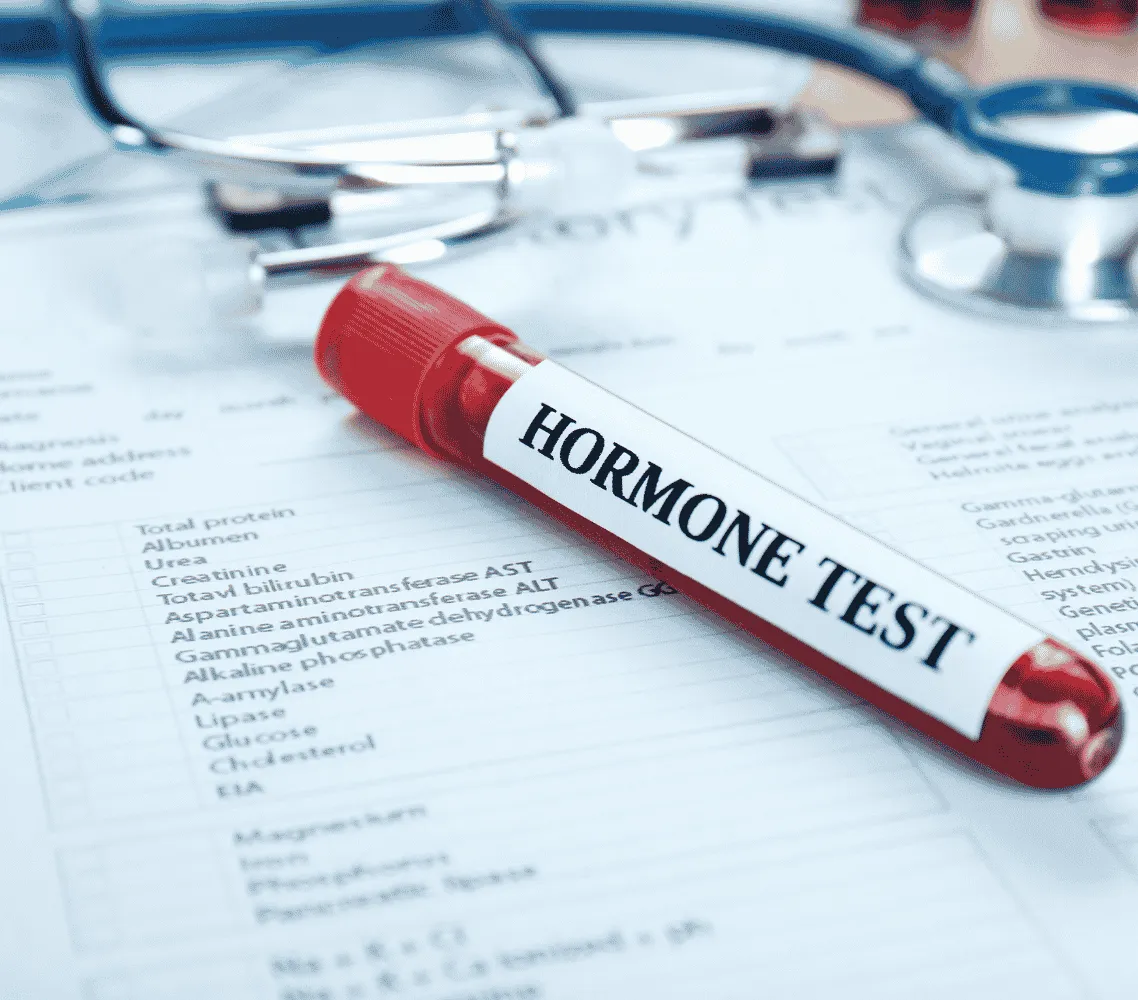
Hormone testing can be useful in some situations, but it is not always necessary or meaningful for every hormonal concern. The value of testing depends on factors such as age, menstrual pattern, symptoms, reproductive goals, medications, and where someone is in their menstrual or menopause transition.
Depending on the clinical situation, testing may include markers related to ovarian function, thyroid health, androgen levels, prolactin, metabolic health, or other relevant factors. Timing within the menstrual cycle may also matter for certain tests.
In perimenopause, hormone levels can fluctuate significantly, so symptoms and menstrual history are often more informative than a single hormone result.
The goal is to use laboratory testing selectively when it can help clarify the clinical picture, rule out other contributing factors, or meaningfully influence treatment decisions.
NATUROPATHIC CARE
Frequently Asked Questions
What is PMOS, and is it the same as PCOS?
Yes. Polyendocrine Metabolic Ovarian Syndrome (PMOS) is the new name for Polycystic Ovary Syndrome (PCOS). It can affect menstrual cycles, ovulation, fertility, skin, hair growth, weight and metabolic health, with symptoms and underlying drivers varying considerably between people.
Can naturopathic care help with endometriosis?
Naturopathic care is intended to complement, not replace, medical and gynecological management of endometriosis. It may include individualized nutrition and lifestyle strategies, targeted supplementation and support for nutrient deficiencies, with the goal of reducing symptom burden and supporting overall health.
What are the symptoms of PMS and PMDD?
PMS and PMDD can cause significant physical and emotional symptoms in the days or weeks before menstruation, including mood changes, irritability, anxiety, headaches, breast tenderness, bloating, cravings, fatigue and sleep disruption. Assessment looks at the timing and severity of symptoms across your cycle.
When should irregular, heavy or painful periods be assessed?
Changes in cycle frequency, flow or pain shouldn’t automatically be assumed to be “just hormones.” Irregular cycles, heavy bleeding or significant menstrual pain may warrant further assessment, including a detailed menstrual history and blood work or medical investigation when appropriate.
Do I need hormone testing for my symptoms?
Not always. Hormone testing can be useful in some situations, but its value depends on your age, menstrual pattern, symptoms, reproductive goals and medications. In perimenopause, symptoms and menstrual history are often more informative than a single hormone result.
Evidence-informed virtual naturopathic care across Ontario
Follow Us


Clinical Focus
Services
Quick Links
Copyright 2026. Viinberg Health. All Rights Reserved.