
Perimenopause & Menopause
Perimenopause and menopause can affect far more than menstrual cycles. Changes in sleep, mood, energy, body composition, temperature regulation, vaginal and urinary health, libido, muscle and bone health, and cardiovascular risk can all become more noticeable during this stage of life.
Care begins with a detailed review of your symptoms, menstrual and reproductive history, medical history, medications, lifestyle, and individual risk factors. Blood work may be recommended when clinically appropriate to assess areas such as thyroid function, nutrient status, metabolic health, and cardiovascular risk.
Treatment is individualized and may include nutrition, exercise and lifestyle strategies, targeted supplementation, and other evidence-informed approaches. For some patients, care may also include a discussion of Menopausal Hormone Therapy (MHT) and whether it may be an appropriate option based on symptoms, health history, individual risk factors, and personal preferences.
The goal is to help you better understand what is changing, reduce disruptive symptoms, and support your health and quality of life through the menopause transition and beyond.
CLINICAL FOUNDATIONS
Perimenopause
Perimenopause is the transition leading up to menopause and can begin years before menstrual periods stop completely. Hormonal fluctuations during this time can contribute to changes in menstrual cycles, sleep, mood, body composition, temperature regulation, energy, libido, and overall well-being.
Assessment focuses on your symptoms and cycle changes alongside your medical history, medications, lifestyle, and relevant health risks. Blood work may be helpful in certain situations, although hormone levels can fluctuate considerably during perimenopause and are not always necessary to identify the transition.
Care may include nutrition, exercise, sleep and stress strategies, targeted supplementation, and discussion of other evidence-informed treatment options when appropriate.
The goal is to make the transition more manageable while also addressing the metabolic, cardiovascular, bone, and overall health changes that become increasingly important during midlife.


CLINICAL FOUNDATIONS
Menopause
Menopause is reached after 12 consecutive months without a menstrual period and marks the beginning of a new stage of health rather than simply the end of menstruation.
Symptoms such as hot flashes, night sweats, sleep disruption, vaginal or urinary changes, mood changes, joint symptoms, and changes in body composition may continue after menopause. At the same time, declining estrogen levels can influence bone, cardiovascular, metabolic, and genitourinary health.
Care is individualized and considers both symptom relief and long-term health. Recommendations may include nutrition, strength and aerobic exercise, sleep strategies, targeted supplementation, appropriate laboratory assessment, and discussion of menopausal hormone therapy when relevant.
The goal is to support how you feel now while also protecting strength, function, and long-term health.
CLINICAL FOUNDATIONS
Menopausal Hormone Therapy (MHT)
Menopausal Hormone Therapy (MHT) can be an effective treatment option for certain symptoms associated with perimenopause and menopause, but the decision to use hormone therapy should be individualized.
A discussion about MHT considers symptoms, age and stage of menopause, personal and family medical history, cardiovascular and breast health, medications, individual risk factors, and personal preferences.
Hormone therapy is only one part of menopause care. Nutrition, physical activity, strength training, sleep, metabolic health, cardiovascular prevention, and vaginal and urinary health remain important regardless of whether hormone therapy is used.
The goal is to help patients understand their options and participate in an informed, individualized discussion about the potential benefits and risks of treatment.


CLINICAL FOUNDATIONS
Hot Flashes & Night Sweats
Hot flashes and night sweats, also known as vasomotor symptoms, are among the most common symptoms of the menopause transition. They can range from occasional warmth to frequent episodes that significantly interfere with sleep, concentration, work, and quality of life.
Assessment considers the timing and severity of symptoms, menstrual history, sleep, medications, alcohol and caffeine intake, stress, thyroid health, and other factors that may contribute to temperature dysregulation.
Care may include lifestyle strategies, nutrition, targeted supplementation, and discussion of additional treatment options when clinically appropriate.
The goal is to reduce symptom burden while also considering the broader health changes occurring during perimenopause and menopause.
CLINICAL FOUNDATIONS
Sleep Changes During Perimenopause & Menopause
Sleep can change significantly during perimenopause and menopause. Some women have difficulty falling asleep, wake frequently during the night, experience early-morning waking, or find that hot flashes and night sweats repeatedly interrupt their sleep.
Assessment looks beyond hormones alone and may include sleep habits, stress, mood, medications, alcohol and caffeine, hot flashes, sleep apnea risk, restless legs, and other factors that may affect sleep quality.
Treatment is individualized and may include sleep and lifestyle strategies, exercise, nutrition, targeted supplementation, and management of underlying menopause symptoms when appropriate.
The goal is to identify the factors interfering with restorative sleep rather than simply treating insomnia as an isolated symptom.


CLINICAL FOUNDATIONS
Weight & Body Composition During Perimenopause
Changes in weight and body composition are common concerns during the menopause transition. Aging, declining estrogen, changes in muscle mass, sleep disruption, stress, activity levels, appetite, and metabolic health can all play a role.
Assessment may include nutrition, protein intake, activity and strength training, sleep, medications, thyroid function, blood glucose regulation, cardiovascular markers, and body-composition goals.
Care focuses on sustainable nutrition, preserving or building muscle, appropriate exercise, sleep, and metabolic health rather than relying solely on calorie restriction.
The goal is not simply a lower number on the scale, but improved body composition, strength, metabolic health, and long-term function.
CLINICAL FOUNDATIONS
Vaginal & Urinary Health in Menopause
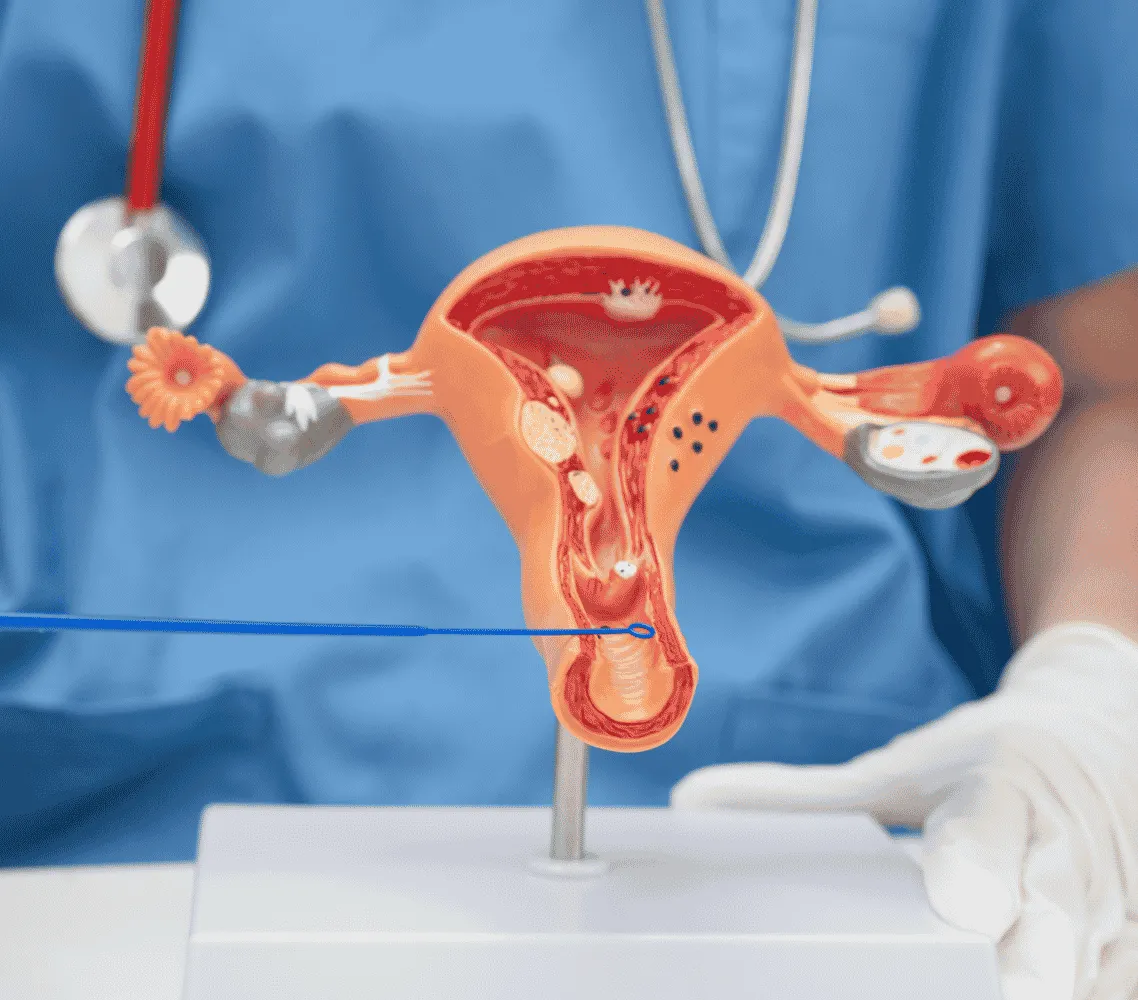
Declining estrogen can affect the tissues of the vagina, vulva, bladder, and urinary tract. These changes are collectively known as Genitourinary Syndrome of Menopause (GSM) and may contribute to vaginal dryness, irritation, discomfort with intercourse, urinary urgency, recurrent urinary symptoms, or changes in sexual comfort.
These symptoms are common but are often under-recognized and may worsen over time without appropriate care.
Assessment includes symptoms, medical history, medications, sexual health, urinary concerns, and other possible causes that may need to be ruled out.
Care is individualized and may include lifestyle measures, vaginal moisturizers or lubricants, and discussion of other evidence-informed treatment options when appropriate.
The goal is to improve comfort, urinary and vaginal health, sexual well-being, and quality of life.

CLINICAL FOUNDATIONS
Libido & Sexual Health in Midlife
Changes in libido and sexual well-being during midlife can be influenced by many factors, including hormonal changes, sleep, stress, mood, medications, relationship factors, vaginal dryness, pain, and overall health.
Assessment looks at the broader picture rather than assuming that low libido is caused by a single hormone level.
Care may include addressing vaginal or genitourinary symptoms, sleep, stress, medications, nutrition, overall health, and other contributing factors. Collaboration with other healthcare professionals may also be appropriate depending on the concern.
The goal is to identify the factors affecting comfort, desire, and sexual well-being and develop an individualized approach to care.
CLINICAL FOUNDATIONS
Menopause & Cardiovascular Health
The menopause transition is also an important time to pay closer attention to cardiovascular and metabolic health. Changes in estrogen, body composition, cholesterol, blood pressure, blood glucose, sleep, and activity patterns can influence long-term cardiovascular risk.
Assessment may include family history, blood pressure, cholesterol and other lipid markers, blood glucose and metabolic markers, body composition, exercise, nutrition, sleep, smoking history, and other relevant risk factors.
Care focuses on identifying modifiable risks early and developing practical strategies around nutrition, movement, strength, sleep, metabolic health, and other evidence-informed interventions.
The goal is to make cardiovascular prevention a routine part of menopause care rather than waiting until disease develops.


CLINICAL FOUNDATIONS
Muscle & Bone Health During Menopause
Maintaining muscle, strength, and bone health becomes increasingly important through perimenopause and menopause. Hormonal changes and aging can contribute to loss of muscle mass and bone density, but nutrition and exercise can have a meaningful influence on both.
Assessment may include current activity, resistance training, protein intake, calcium and vitamin D intake, body composition, injury history, medications, family history, and other bone-health risk factors.
Care may include strength training recommendations, adequate protein and nutrition, targeted supplementation when appropriate, and coordination with medical care or bone-density testing when indicated.
The goal is to preserve strength, mobility, independence, and physical capacity for the decades ahead.
NATUROPATHIC CARE
Frequently Asked Questions
What is the difference between perimenopause and menopause?
Perimenopause is the transition leading up to menopause and can begin years before periods stop completely. Menopause is reached after 12 consecutive months without a menstrual period and marks the beginning of a new stage of health.
What symptoms can perimenopause and menopause cause?
Symptoms can include hot flashes, night sweats, sleep disruption, mood changes, low energy, changes in libido, vaginal or urinary changes, joint symptoms and body-composition changes. Declining estrogen can also influence bone, cardiovascular and metabolic health over time.
Do I need blood work to confirm perimenopause?
Not always. Hormone levels can fluctuate considerably during perimenopause, so testing is not always necessary to identify the transition. Assessment focuses on your symptoms and cycle changes, with blood work recommended in certain situations when clinically appropriate.
Why do sleep and weight change during menopause?
Hot flashes, night sweats, stress, mood and other factors can interrupt sleep, while declining estrogen, muscle loss, sleep disruption and metabolic changes can affect weight and body composition. Care focuses on identifying these contributors rather than treating each symptom in isolation.
What treatment options are available for menopause symptoms?
Care is individualized and may include nutrition, exercise, sleep and stress strategies, and targeted supplementation. For some patients, it may also include an informed discussion of Menopausal Hormone Therapy (MHT), based on symptoms, health history, risk factors and personal preferences.
Evidence-informed virtual naturopathic care across Ontario
Follow Us


Clinical Focus
Services
Quick Links
Copyright 2026. Viinberg Health. All Rights Reserved.