
Sport Performance
Sport performance depends on more than training alone. Nutrition, fueling, recovery, sleep, body composition, iron and nutrient status, hormonal health, injury history, and overall metabolic health can all influence how an athlete feels, performs, and adapts to training.
Care begins with a detailed review of your sport, training demands, competition schedule, nutrition, recovery, sleep, medications and supplements, injury history, and performance goals. Blood work may be recommended when clinically appropriate to assess factors such as iron and ferritin, vitamin B12, vitamin D, thyroid function, blood counts, metabolic health, and other relevant markers.
Recommendations are individualized to the athlete and may include nutrition and fueling strategies, protein and carbohydrate targets, hydration, recovery, supplementation when appropriate, body-composition support, and collaboration with coaches, physiotherapists, physicians, or other members of the athlete’s healthcare team.
Additional care is taken when working with athletes who are subject to anti-doping testing. Supplement use is kept purposeful and conservative, with preference given to products carrying recognized sport-specific third-party certification such as NSF Certified for Sport®, Informed Sport, or Informed Choice to help reduce the risk of inadvertent exposure to prohibited substances.
The goal is to support performance while protecting long-term health, recovery, physical resilience, and the athlete’s ability to train and compete safely.
Sports Nutrition & Performance Nutrition
Nutrition provides the energy and building blocks needed to train, recover, adapt, and perform. Nutritional requirements can vary significantly depending on the sport, training volume, body size, competition schedule, and individual goals.
Assessment considers overall energy intake, meal timing, carbohydrate availability, protein intake, hydration, training schedule, gastrointestinal tolerance, body-composition goals, and recovery.
For athletes who are subject to anti-doping testing, supplement selection requires additional care. When supplementation is appropriate, preference is given to products with recognized sport-specific third-party certification, including NSF Certified for Sport®, Informed Sport, or Informed Choice.
Recommendations are designed around real-world training and competition demands rather than a generic meal plan.
The goal is to ensure that nutrition supports both performance and long-term health.


Supplement Safety for Drug-Tested Athletes
Dietary supplements require additional consideration for athletes who are subject to anti-doping testing. Supplements may occasionally contain undeclared ingredients, contaminants, or substances prohibited in sport, creating a risk even when the athlete has not intentionally taken a banned substance.
For this reason, supplementation is approached conservatively. The first step is to determine whether a supplement is actually necessary and whether the same goal can be addressed through nutrition, training, recovery, or another strategy.
When supplementation is appropriate for a drug-tested athlete, recommendations are limited whenever possible to products with recognized sport-specific third-party certification, including NSF Certified for Sport®, Informed Sport, or Informed Choice.
Certification can help reduce the risk associated with supplement use, but no supplement strategy can eliminate risk completely. Athletes remain responsible for the substances they consume, making careful product selection particularly important.
Supplement use may also be reviewed alongside the athlete’s medications, existing products, nutritional intake, health history, and performance goals to reduce unnecessary duplication and ensure each recommendation has a clear purpose.
The goal is to support nutritional and performance needs while minimizing unnecessary supplement exposure and protecting the athlete’s health and ability to compete.
Athlete Fueling & Energy Availability
Adequate fueling is essential for training quality, recovery, hormonal health, bone health, immune function, and performance. Athletes can sometimes unintentionally under-fuel when training demands increase or when nutrition does not keep pace with energy expenditure.
Assessment considers training volume, meal timing, carbohydrate intake, protein intake, appetite, recovery, body-composition goals, menstrual health when relevant, and other signs that energy intake may not be meeting training demands.
Recommendations may include strategies for fueling before, during, and after exercise, improving overall energy availability, and adapting nutrition to changing training loads.
The goal is to provide enough energy to support performance, recovery, and long-term health without making nutrition unnecessarily complicated.

Relative Energy Deficiency in Sport (RED-S)
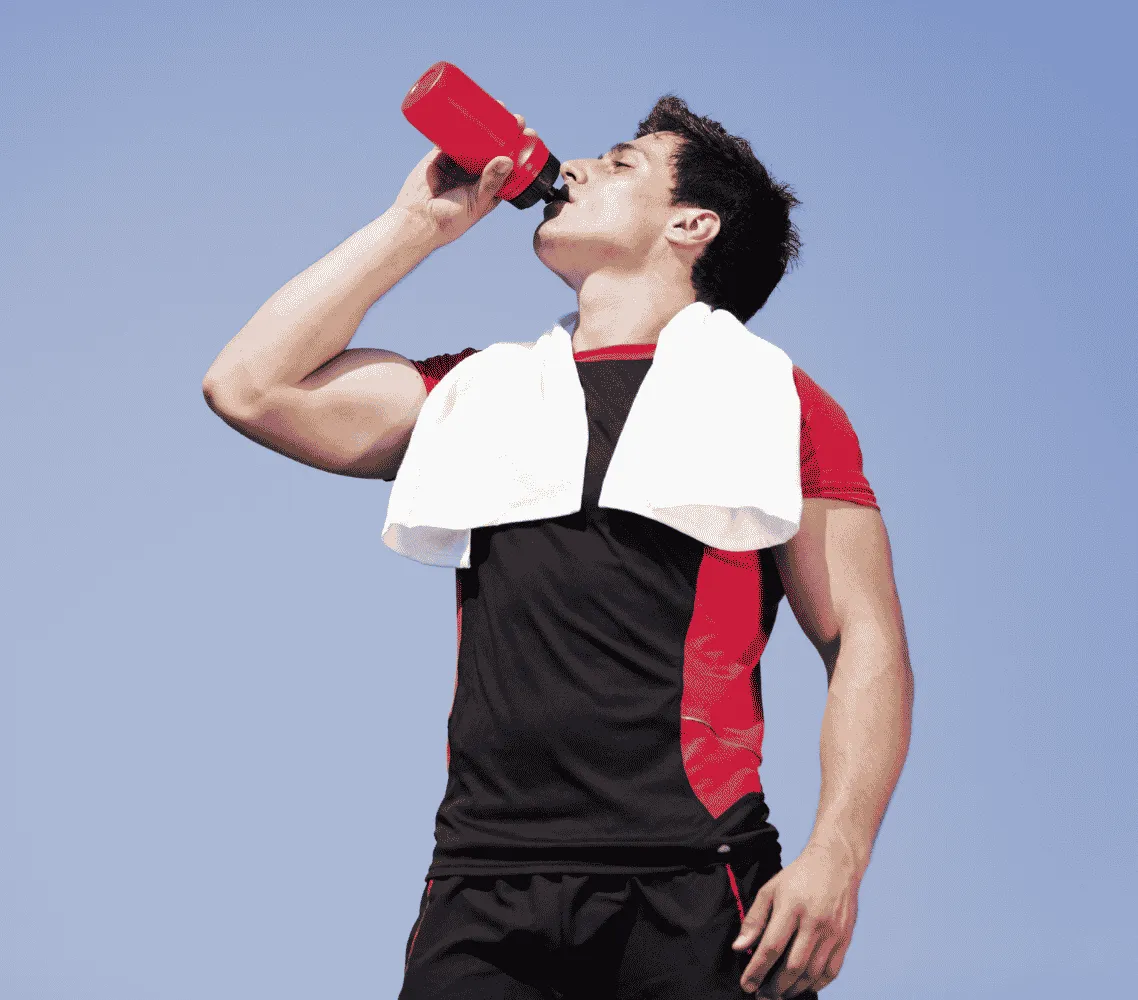
Relative Energy Deficiency in Sport (RED-S) can occur when an athlete consistently has insufficient energy available to support both training and normal physiological function.
Low energy availability can affect performance, recovery, menstrual and reproductive health, bone health, immune function, mood, gastrointestinal function, cardiovascular health, and other body systems. It can affect athletes of any sex and may occur even when body weight appears stable.
Assessment considers training volume, nutrition, weight and body-composition history, menstrual or hormonal health when relevant, injury patterns, recovery, sleep, performance changes, and appropriate laboratory findings.
Care may involve increasing energy availability, improving nutrient timing and intake, reducing unnecessary dietary restriction, and working collaboratively with sports medicine physicians, dietitians, coaches, mental-health professionals, or other members of the athlete’s healthcare team when appropriate.
The goal is to support both athletic performance and the underlying health required to sustain it.
Protein, Muscle & Recovery
Protein plays an important role in muscle repair, adaptation, recovery, body composition, and maintaining strength.
Protein needs vary depending on body size, sport, training phase, age, energy intake, and performance goals. How protein is distributed throughout the day can also influence muscle protein synthesis and recovery.
Assessment considers overall protein intake, meal distribution, training demands, energy intake, dietary preferences, body-composition goals, and recovery.
Recommendations may include individualized protein targets, meal and snack strategies, timing around training, and appropriate use of protein supplements when useful. For drug-tested athletes, sport-specific third-party certification is considered when recommending supplemental products.
The goal is to provide enough protein to support adaptation and recovery without allowing protein to crowd out other important components of sport nutrition.


Athlete Iron & Ferritin
Iron is important for oxygen transport, energy production, and athletic performance. Athletes — particularly menstruating athletes, endurance athletes, and those with restricted diets — may be at increased risk of iron deficiency.
Low iron stores can contribute to fatigue, reduced exercise tolerance, impaired recovery, and declining performance even before significant anemia develops.
Assessment may include dietary intake, menstrual history when relevant, training demands, symptoms, blood count, ferritin, and other appropriate iron markers.
Iron supplementation should be individualized rather than used routinely, since unnecessary iron supplementation can also carry risks. For drug-tested athletes, appropriate third-party certification is also considered when selecting supplemental products.
The goal is to identify and address iron deficiency when present while also considering why iron stores may have become depleted.
Performance Blood Work
Laboratory testing can sometimes provide useful information when an athlete is experiencing unexplained fatigue, reduced performance, poor recovery, recurrent illness, nutritional concerns, or other changes in health.
Depending on the clinical situation, blood work may include a Complete Blood Count (CBC), ferritin and iron markers, vitamin B12, vitamin D, thyroid markers, metabolic markers, and other tests based on symptoms, health history, medications, diet, and training demands.
Not every athlete requires extensive laboratory testing. Tests are selected when there is a clinical reason to believe the result could influence care.
The goal is to use blood work strategically alongside training history, nutrition, symptoms, and recovery rather than treating laboratory results in isolation.


Recovery & Training Adaptation
Training creates the stimulus for improvement, but adaptation occurs during recovery. Inadequate nutrition, sleep, hydration, or recovery time can interfere with performance even when the training program itself is well designed.
Assessment considers training volume and intensity, nutrition, sleep, stress, rest days, injury history, energy availability, and changes in performance or motivation.
Care may include nutrition and post-training recovery strategies, carbohydrate and protein timing, hydration, sleep support, and assessment for other factors that may be interfering with recovery.
The goal is to help athletes absorb their training rather than simply accumulate more of it.
Nutrition for Injury Recovery
Injury changes both training and nutritional needs. Adequate energy, protein, and micronutrient intake can support tissue repair while helping preserve muscle during periods of reduced activity.
Assessment considers the type of injury, activity restrictions, rehabilitation program, nutrition, protein intake, body-composition concerns, and potential nutrient deficiencies.
Care may include adequate energy and protein intake, meal distribution, targeted nutrition strategies, and supplementation when clinically appropriate.
Nutritional care is intended to complement — not replace — appropriate diagnosis, physiotherapy, rehabilitation, or other medical treatment.
The goal is to support healing, preserve physical capacity where possible, and help prepare the athlete for a successful return to training.

Body Composition for Athletes
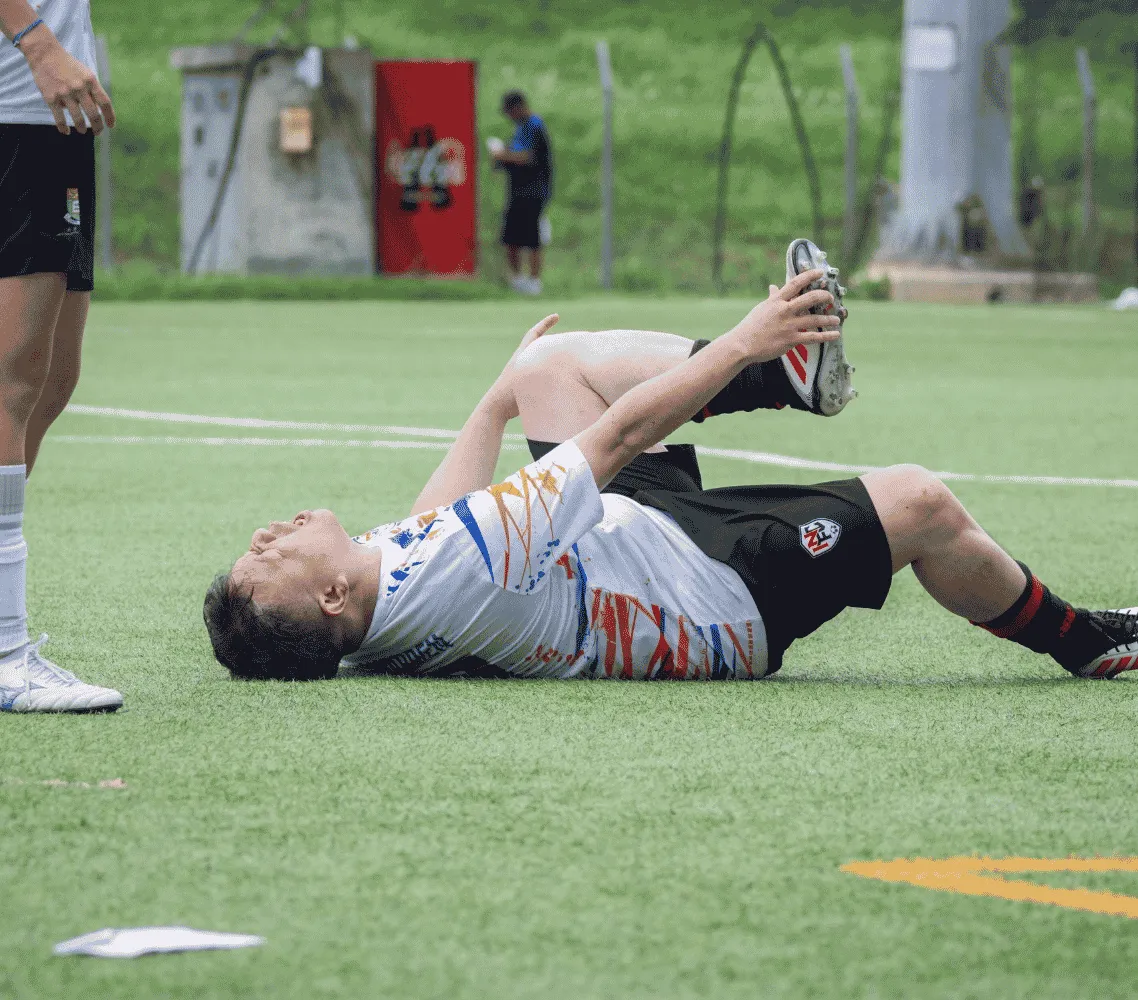
Body composition can influence performance in some sports, but pursuing a lower body weight or body-fat percentage does not automatically improve athletic performance.
Assessment considers the demands of the sport, current nutrition, training, energy availability, muscle mass, performance goals, injury history, hormonal health, and the athlete’s relationship with food and body image.
When body-composition change is appropriate, the focus is on preserving muscle, maintaining adequate fueling, and avoiding strategies that compromise recovery or health.
The goal is to support performance-oriented body composition while protecting strength, metabolic health, hormonal health, and long-term athletic capacity.
Female Athlete Health
Female athletes may experience unique interactions between training, nutrition, menstrual health, iron status, bone health, hormonal changes, and recovery.
Assessment may include menstrual patterns, energy availability, iron and nutrient status, training demands, injury history, contraception or medications, sleep, and performance changes.
Care may include nutrition and fueling strategies, iron assessment when appropriate, support for adequate energy availability, bone-health considerations, and collaboration with other healthcare providers when further assessment is required.
The goal is to support performance without treating menstrual or other health changes as an unavoidable consequence of athletic training.


Menopause & the Female Athlete
Perimenopause and menopause can influence sleep, recovery, body composition, muscle mass, bone health, temperature regulation, and how women respond to training.
Assessment considers menopause symptoms alongside training demands, nutrition, protein intake, strength training, cardiovascular exercise, sleep, recovery, and relevant health risks.
Care may include nutrition, strength and conditioning considerations, recovery strategies, appropriate laboratory assessment, and management of menopause-related health concerns.
The goal is to help active women continue training, competing, and maintaining physical capacity throughout midlife and beyond.
Masters & Aging Athlete
Athletic goals do not have to disappear with age, but recovery, muscle maintenance, injury risk, sleep, and nutritional needs may change over time.
Assessment considers training history, strength, cardiovascular fitness, recovery, protein and energy intake, injuries, medications, metabolic health, bone health, and individual performance goals.
Care may focus on maintaining muscle and power, adequate protein and fueling, recovery, cardiovascular health, and strategies that allow athletes to continue training consistently.
The goal is not simply to remain active, but to preserve performance, resilience, and physical capability for as long as possible.

Hydration & Electrolytes for Performance
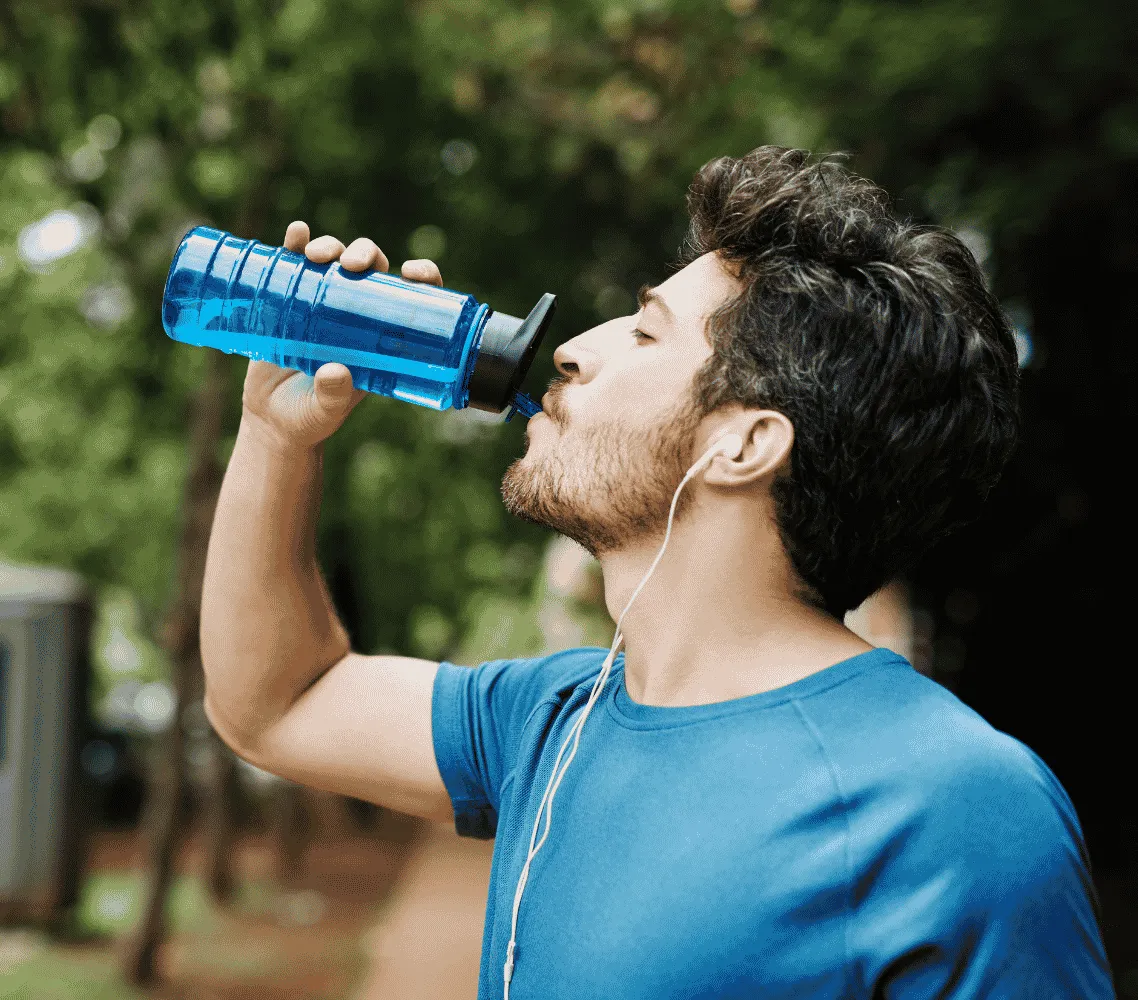
Fluid and electrolyte needs vary considerably between athletes and depend on factors such as exercise duration, intensity, environmental conditions, individual sweat rate, and the opportunities available to drink during training or competition.
Assessment considers sport demands, training environment, sweat losses, current hydration habits, gastrointestinal tolerance, and previous experiences with cramping or performance decline.
Recommendations may include individualized fluid, sodium, and carbohydrate strategies for longer or more demanding training sessions and competitions.
When electrolyte or carbohydrate products are recommended to drug-tested athletes, sport-specific third-party certification is considered as part of product selection.
The goal is to support performance and safety without assuming that every athlete requires the same hydration plan.
Sleep & Athletic Performance
Sleep is an important component of recovery, adaptation, cognitive performance, immune function, and injury prevention.
Training schedules, travel, competition stress, work or school demands, caffeine, hormonal changes, and other factors can all interfere with restorative sleep.
Assessment considers sleep duration and quality, training schedule, recovery, caffeine and alcohol use, stress, travel, and other health factors.
Care may include sleep and lifestyle strategies and assessment for underlying concerns when sleep problems persist.
The goal is to make sleep part of the performance plan rather than something addressed only after recovery begins to suffer.

NATUROPATHIC CARE
Frequently Asked Questions
What affects sport performance besides training?
Sport performance depends on more than training alone. Nutrition, fueling, recovery, sleep, body composition, iron and nutrient status, hormonal health, injury history and metabolic health can all influence how an athlete feels, performs and adapts to training.
Are supplements safe for drug-tested athletes?
Supplements may occasionally contain undeclared ingredients or prohibited substances, so they are approached conservatively. When needed, products with sport-specific third-party certification, such as NSF Certified for Sport®, Informed Sport or Informed Choice, are preferred, though no strategy eliminates risk completely.
What is RED-S in athletes?
Relative Energy Deficiency in Sport (RED-S) can occur when an athlete consistently lacks enough energy to support both training and normal body function. It can affect performance, recovery, bone, hormonal and immune health, in athletes of any sex, even when weight appears stable.
Can low iron affect athletic performance?
Yes. Low iron stores can contribute to fatigue, reduced exercise tolerance, impaired recovery and declining performance, even before significant anemia develops. Menstruating athletes, endurance athletes and those with restricted diets may be at increased risk of iron deficiency.
What blood tests are useful for athletes?
Depending on the situation, blood work may include a Complete Blood Count (CBC), ferritin and iron markers, vitamin B12, vitamin D, thyroid and metabolic markers. Not every athlete needs extensive testing; tests are chosen when results could meaningfully influence care.
Evidence-informed virtual naturopathic care across Ontario
Follow Us


Clinical Focus
Services
Quick Links
Copyright 2026. Viinberg Health. All Rights Reserved.